Category overview
About safety & workwear footwear
Safety footwear is built around protective components: a toe cap and, where specified, a penetration-resistant insert. In the EU and UK it is personal protective equipment, tested against EN ISO 20345 and type-examined before it carries a protective claim; the US uses ASTM F2413.
Work boots and occupational shoes have no toe cap or protective claim. They are chosen for comfort, easy cleaning and durability, for example in hospitality, healthcare, logistics and retail. EN ISO 20347 covers occupational footwear where a buyer needs it tested.
We do not claim conformity with any safety standard. For safety styles we develop the shoe with documented components, and the testing and certification route is agreed with you and an accredited body before any protective claim is made.
Intended buyers
- Workwear and PPE brands
- Uniform suppliers and distributors
- Companies sourcing staff footwear
- Hospitality, healthcare and logistics programmes
Reference styles
What we develop in this category
Starting points, not stock products: each style is made to your own design and specification. Choosing one is optional.
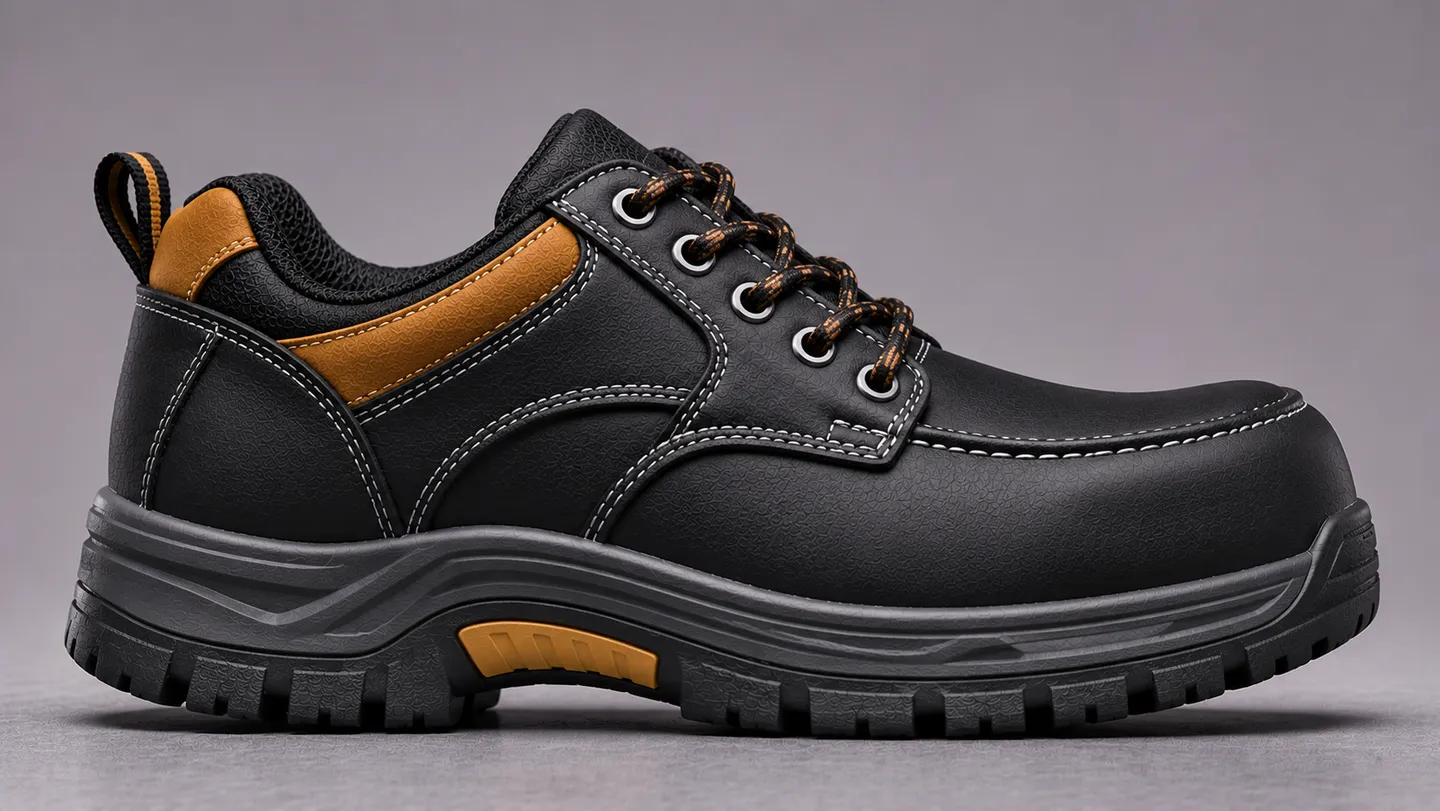
KF-SAF-001
Industrial Safety Shoes
Low-cut work shoe designed around a bought-in protective toe cap, for buyers who will test and certify to a safety standard.
- Upper
- Leather, microfibre or textile
- Sole
- PU dual-density or PU/rubber
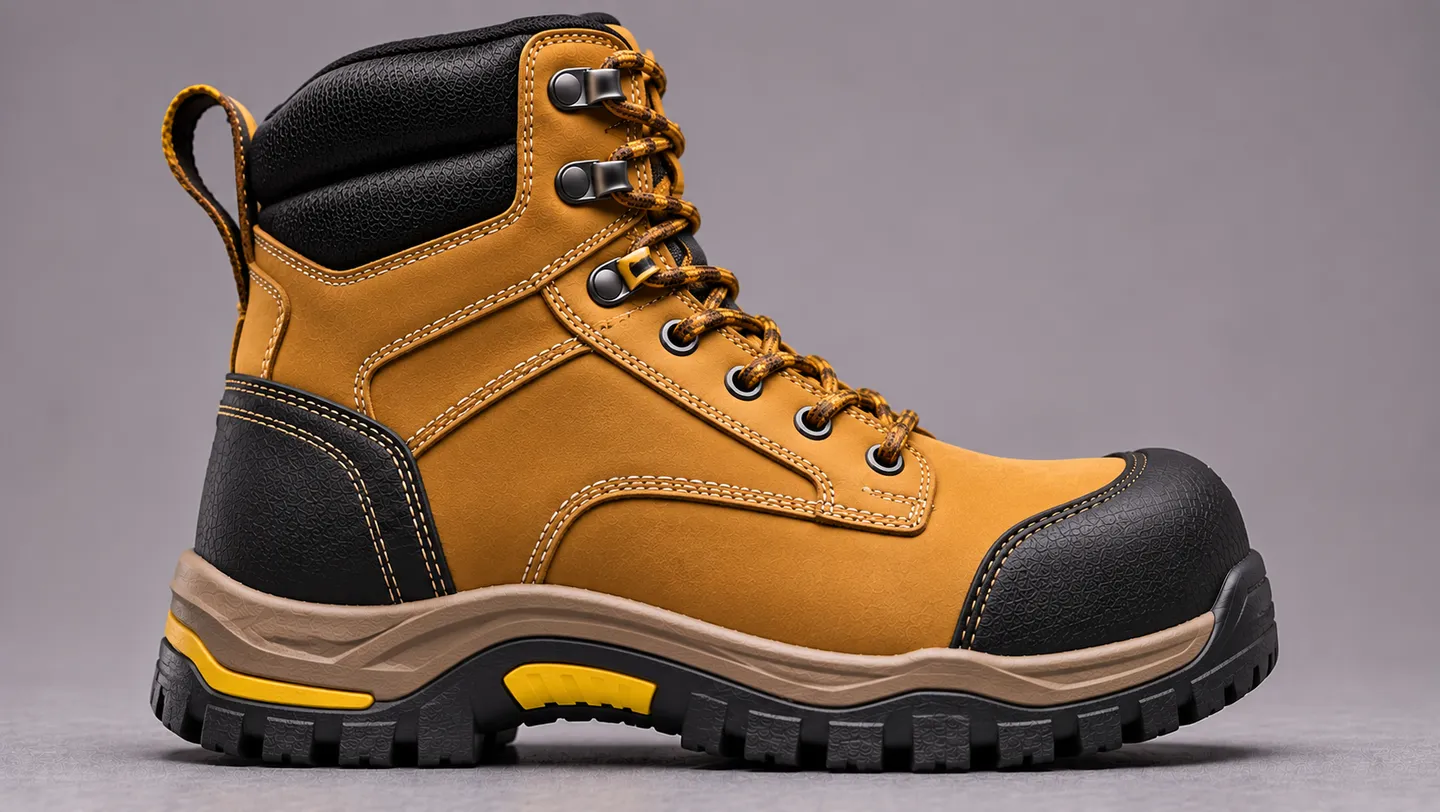
KF-SAF-002
Safety Boots
Ankle-height work boot with padded collar and toe-cap and insert options, developed for testing to the buyer's standard.
- Upper
- Full-grain or nubuck leather
- Sole
- PU dual-density or rubber
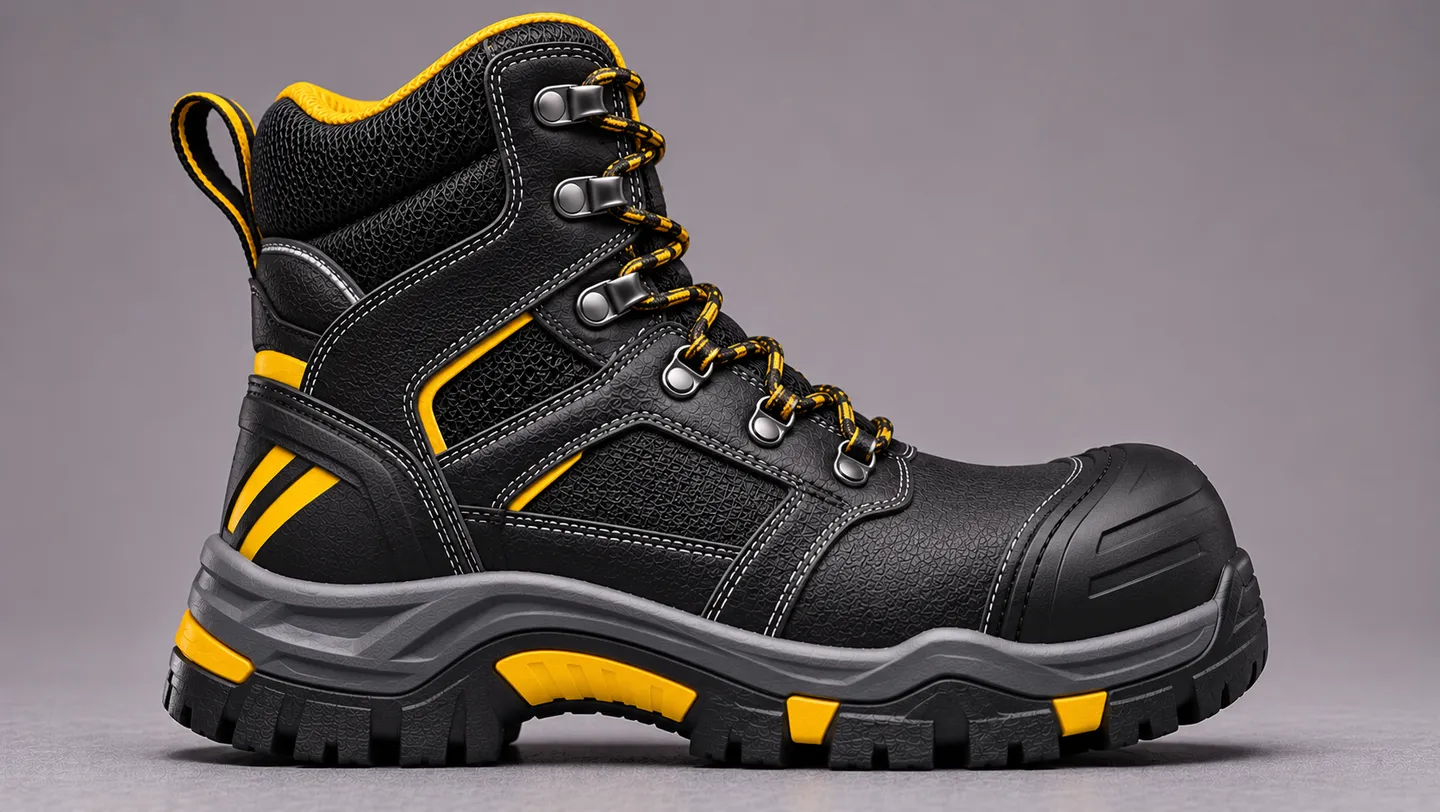
KF-SAF-003
Work Boots
Rugged leather work boot without a protective toe cap, on a hard-wearing rubber sole. No protective claim.
- Upper
- Oiled or full-grain leather
- Sole
- Rubber lug, cemented or welted
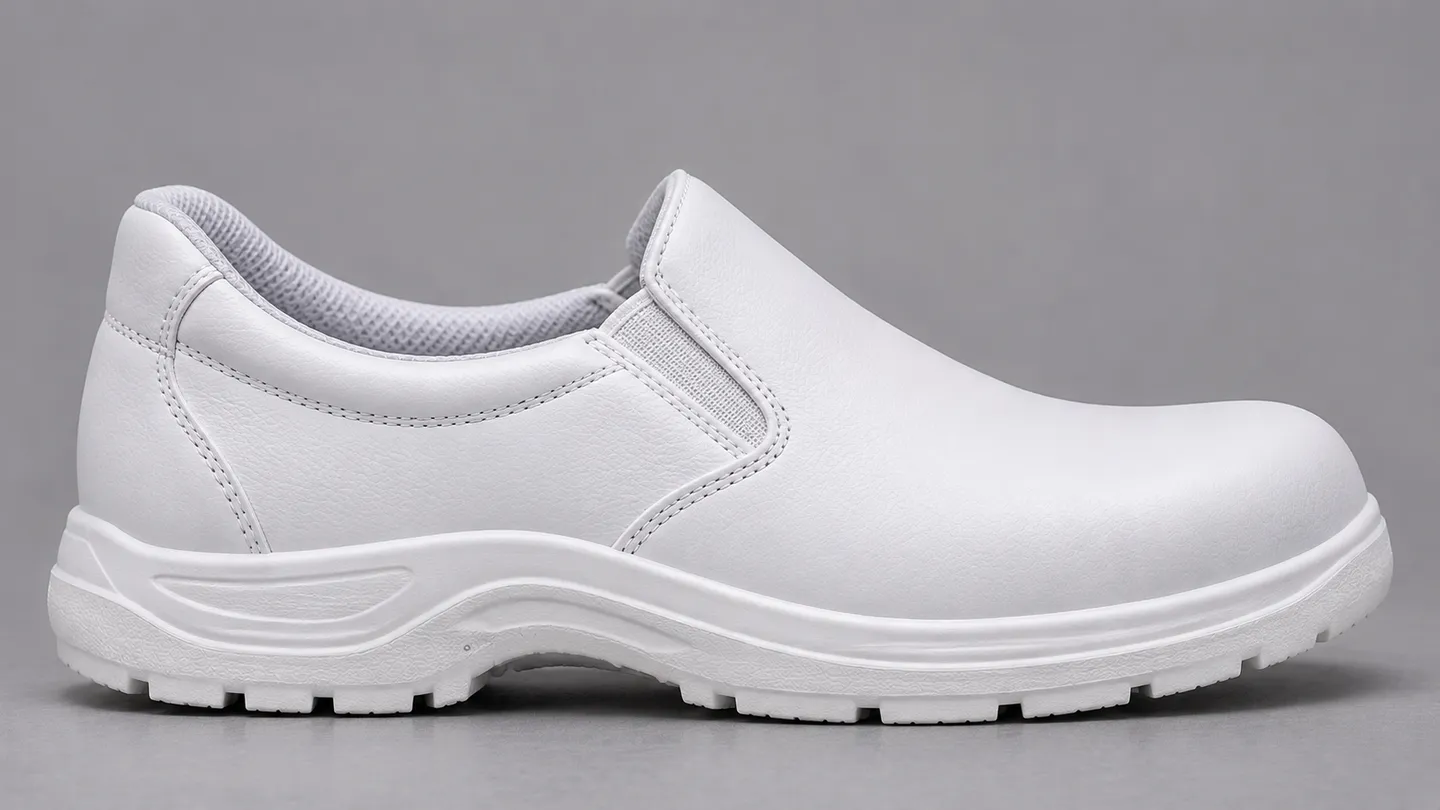
KF-SAF-004
Non-Safety Occupational Shoes
Comfortable, easy-clean shoe for healthcare, hospitality and service staff, without protective components.
- Upper
- Microfibre, synthetic leather or leather
- Sole
- PU or rubber
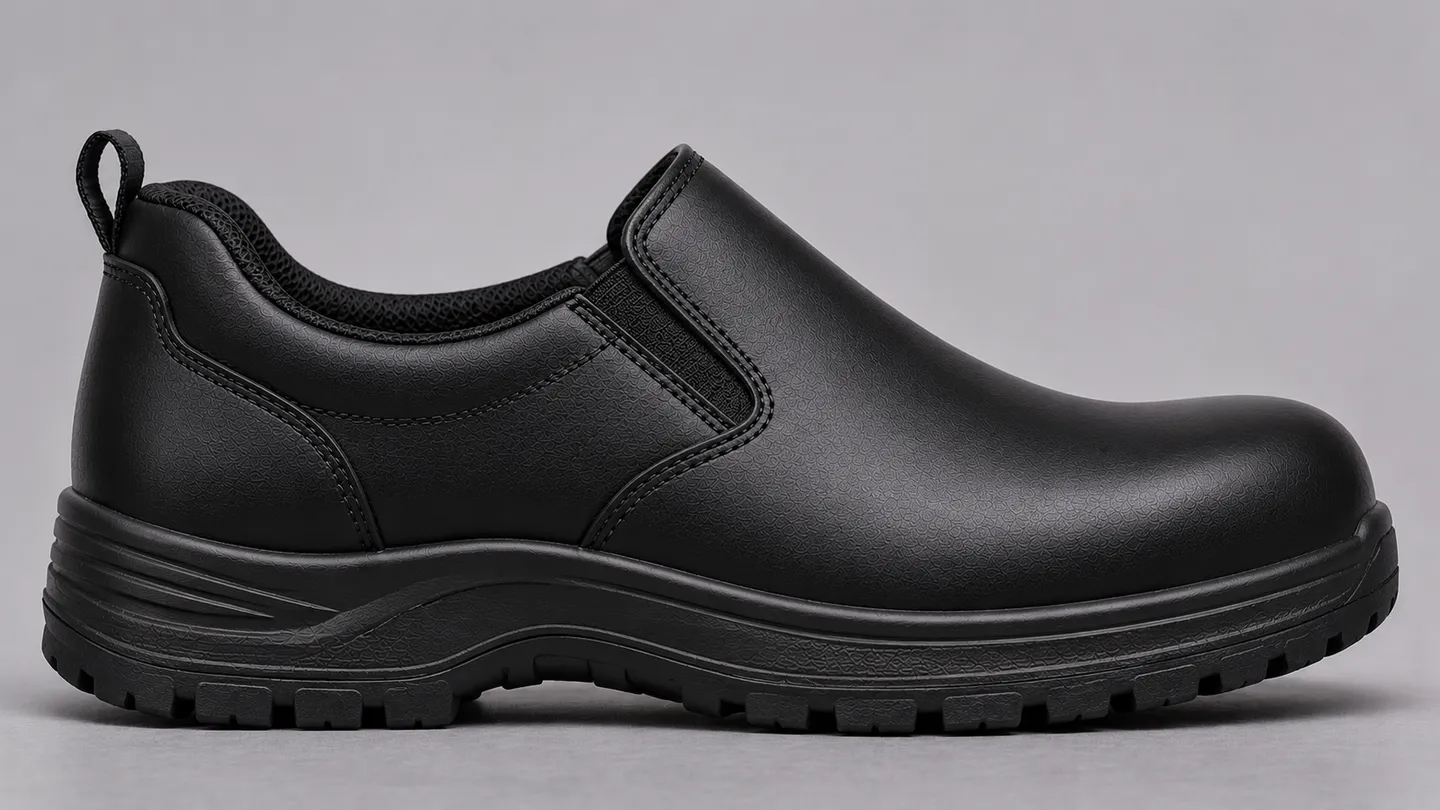
KF-SAF-005
Slip-Resistance Work Shoes
Work shoe with a fine-tread outsole developed for slip resistance; any slip-resistance claim needs testing on the finished shoe.
- Upper
- Microfibre or leather
- Sole
- Rubber or PU with fine tread


Design references shown for custom manufacturing enquiries. Final specifications are confirmed during development.
Technical considerations
What matters when developing safety & workwear footwear
The design decisions we work through with you before sampling. Each is confirmed on samples, not assumed.
- 01
Safety or work footwear?
Decide first whether the shoe will be sold as safety footwear (protective claim, testing and certification) or as work footwear (no protective claim). It changes components, lasts, testing and price.
- 02
Toe caps and inserts
Steel, composite or aluminium toe caps and penetration-resistant inserts are bought-in components with their own documentation. The last is shaped around the cap.
- 03
Outsole compound
PU, PU/rubber or rubber compounds are chosen for the working environment: oils, heat, wet floors or outdoor use. Resistance claims need supplier data and whole-shoe testing.
- 04
Slip resistance
Tread design and compound affect grip on wet and oily floors. Slip resistance is only stated after testing the finished outsole to a named method.
- 05
Comfort over long shifts
Cushioned footbeds, padded collars and lighter soles matter for staff on their feet all day, and are agreed on wear-test samples.
- 06
Cleaning and hygiene
Microfibre and coated uppers wipe clean for kitchens and healthcare; removable insoles can be washed or replaced.
Materials & construction
Constructions, uppers, linings and soles
Construction options
- Direct-injected PU or PU/rubber soles are common for safety and work footwear (general industry information)
- Cemented construction suits occupational and lighter work shoes (general industry information)
- Goodyear welted construction is used for heavier, resoleable work boots (general industry information)
- Which constructions are produced in-house or with partner workshops is confirmed per projectConfirmed per project
Upper materials
- Full-grain, nubuck and oiled leathersConfirmed per project
- Microfibre and coated synthetics for wipe-clean uppersConfirmed per project
- Breathable textiles with abrasion overlaysConfirmed per project
- Rubber or PU toe bumpersConfirmed per project
Lining options
- Textile and moisture-wicking liningsConfirmed per project
- Padded collars and tonguesConfirmed per project
- Removable cushioned insolesConfirmed per project
Sole materials
- Dual-density PU and PU/rubber solesConfirmed per project
- Oil- and heat-resistant rubber compounds, with supplier dataConfirmed per project
- Fine-tread outsoles for indoor floorsConfirmed per project
- Bought-in toe caps and penetration-resistant inserts for safety stylesConfirmed per project
Customisation
- Logo embossing, debossing or heat-stamping on upper, tongue or heelConfirmed per project
- Printed, embroidered or high-frequency welded logos; rubber or TPU badgesConfirmed per project
- Branded insole print, woven tongue and heel labels, custom lace tipsConfirmed per project
- Custom shoe boxes, tissue, swing tags and carton marks to your specificationConfirmed per project
- Reflective details and colour accentsConfirmed per project
- Width fittings for uniform programmesConfirmed per project
Option confirmed per project at quotation and sampling General footwear-industry information
Development
Sizing, sampling, MOQ and quality
Sizing
- EU 36–47 typical; women's lasts for mixed workforces
- Toe-cap styles need lasts shaped around the cap, so sizes are checked for toe room
- Size sets are recommended for staff programmes with many wearers
Sampling
- Proto sample to confirm design, pattern and construction
- Fit sample on the agreed last, checked on wearers in the core size
- Wear test by your staff in the working environment
- Pre-production sample approved as the sealed bulk standard
MOQ
- Toe caps, inserts and injected soles have component minimums
- Testing and certification costs are planned separately for safety styles
- Uniform programmes with many sizes are considered in the quotation
Quality checkpoints
- Incoming material check: leather thickness, textile weight and coating against approved swatches
- Stitch density and reinforcement at eyelets, quarters and stress points
- Lasting: toe and heel shape, symmetry and counter position
- Sole bond line, injection flash and alignment; peel checks on samples
- Final inspection: pairing, size marking, cleanliness and packaging
- Toe-cap and insert placement against the approved sample
- Outsole compound batch consistency
The full development route, from design submission to dispatch, is explained on the manufacturing page.
FAQ
Safety & Workwear questions
Can you make safety shoes with certification?
We develop safety styles with documented protective components. Certification is a separate step with an accredited body, agreed per order; no conformity is claimed in advance.
What is the difference between safety and occupational footwear?
Safety footwear has a protective toe cap and is tested as protective equipment. Occupational and work footwear has no protective claim and is chosen for comfort, durability and easy cleaning.
Can you make slip-resistant shoes?
We develop outsoles intended for slip resistance. A slip-resistance claim is only made after the finished outsole is tested to a named method for your order.
Steel or composite toe caps?
Both are possible as bought-in components. Composite caps are lighter and non-metallic; steel caps are thinner for the same protection level. The choice is made with your testing route.
Six-step quotation request
Request a quotation for safety & workwear footwear
Tell us the style, size run, materials and branding. Questions adapt to the footwear type, and you can attach tech packs and reference photos.
- 01Buyer informationCompany and contact details
- 02Footwear requirementsCategory, materials and construction
- 03Quantity & sizingPairs, size system and size-by-colour matrix
- 04Sampling & developmentSamples, tech pack, files and packaging
- 05Shipping & commercialDestination, Incoterms, timing and price
- 06Review & submitCheck, confirm and send